

Licence requirements
Understanding who can drive a minibus
Driving a minibus safely and legally depends on the type of licence you hold and when you passed your driving test. Here’s everything you need to know to make sure your drivers are compliant and confident behind the wheel.
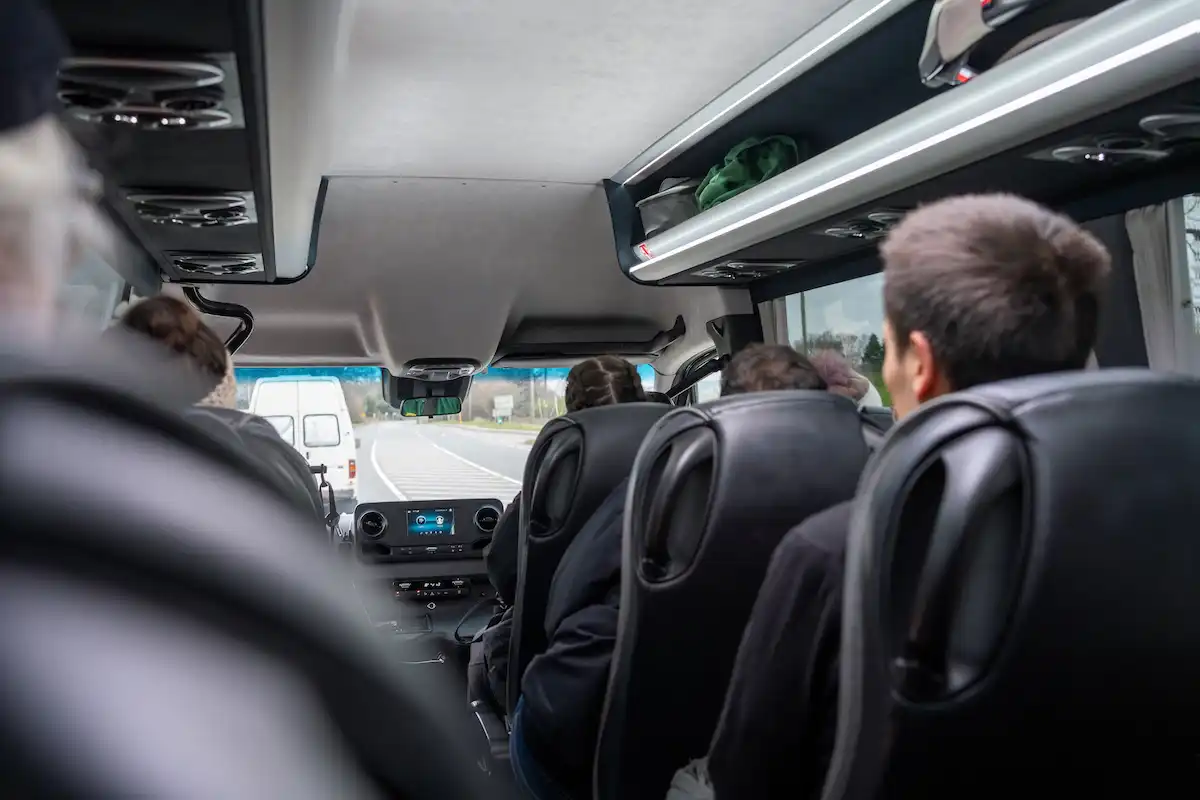
If you passed your driving test before 1 January 1997, your licence will include Category D1 entitlement.
This allows you to drive a school minibus with 9–16 passenger seats (17 including the driver), provided:
- You’re not being paid to drive the vehicle (no “hire or reward”).
- The vehicle is being used for non-commercial purposes such as school, charity or community transport.
No additional tests are required unless you plan to drive for commercial gain.
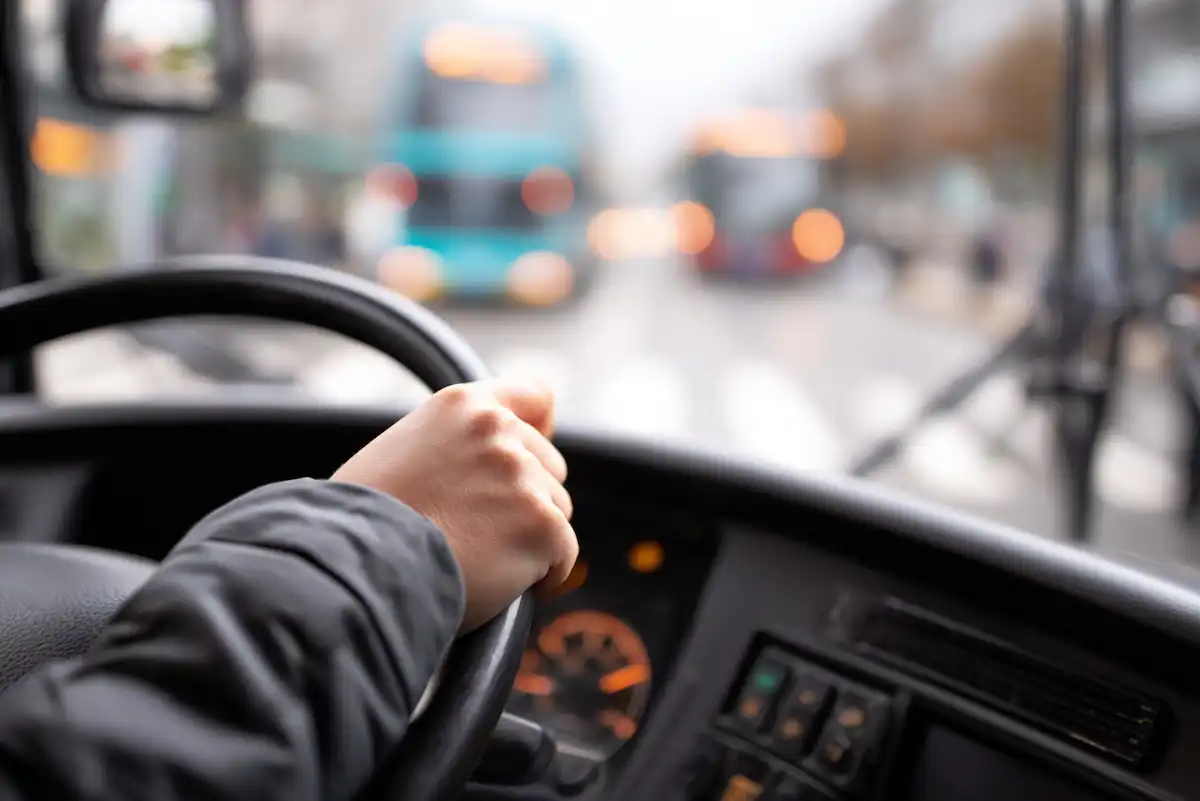
You can still drive a school minibus on a standard Category B (car) licence if all of the following apply:
- You’re 21 years old or over.
- You’ve held your licence for at least two years.
- You’re driving on a voluntary basis and passengers are not paying to travel.
- The maximum authorised mass (MAM) of the vehicle is no more than 3.5 tonnes, or 4.25 tonnes if fitted with accessibility equipment such as a wheelchair ramp.
- You’re not towing a trailer.
- If aged over 70, you meet Group 2 medical standards (check with your GP if unsure).

A Section 19 Permit allows schools, charities, and community groups to provide transport without holding a full PSV operator’s licence. These permits apply when transport is not run for profit and only serves your own pupils, members, or service users. Official Department for Transport guidance can be downloaded directly below.
Demonstrating our commitment to quality, safety and industry excellence.



Yes, as long as you meet the age, licence, and vehicle weight requirements.
Not if your minibus is used for non-commercial purposes such as school or community transport.
If operating under a Section 19 Permit, you can only drive within the UK. Travelling abroad requires a PSV licence and full D1 entitlement.